Have you ever thought about how Des Moines waste disposal choices inside one home can add up to noticeable effects on streets, collection routes, and nearby land over time? Kitchen bags, broken items, yard debris, and bulky junk often leave the driveway without much thought, yet each load has a path, from curbside pickup to transfer stations and landfills. The way that trash is sorted, stored, and set out affects that path more than many people realize.
When households manage waste thoughtfully, there is less risk of overflow, illegal dumping, windblown litter, or contamination of materials that could have been diverted from landfills. Efficient routines support cleaner neighborhoods and reduce strain on local disposal sites.
How Garbage And Waste Disposal Choices Influence Local Surroundings And Resources
Choosing practical methods for garbage and waste disposal means thinking about more than simply “getting rid” of trash. It involves considering what happens to materials after they leave the curb or roll-off container, and how those materials interact with soil, air, and water in the long run.
Key ways thoughtful disposal supports a healthier local environment
- When household trash is contained properly before collection, garbage and waste disposal stay more controlled, which reduces loose debris that can clog storm drains, wash into streams, or blow into nearby properties.
- Separating hazardous items such as paints, solvents, electronics, or chemicals from regular bags keeps garbage and waste disposal systems from receiving materials that require special handling, lowering the risk of leaks and contamination at landfills or transfer locations.
- Using approved drop-off sites or scheduled pickup for bulky items prevents informal dumping in alleys, empty lots, or rural roads, which is one of the most damaging patterns within garbage and waste disposal practices.
By focusing on containment, separation, and proper drop-off points, households help keep their surroundings cleaner and more stable.
Why Planned Residential Waste Disposal Routines Matter For Households And Neighborhoods
Well-organized residential waste disposal routines make environmental care part of regular home maintenance rather than an extra chore. Simple steps such as labeling bins, setting a schedule for taking items outside, and planning larger cleanouts in advance make it easier to keep trash handled correctly throughout the year.
Practical ways to create steady, sustainable home disposal habits
- Establishing clear spots for recycling, organics, and trash inside the home makes residential waste disposal more consistent, because family members always know where items belong and are less likely to toss everything into one bag.
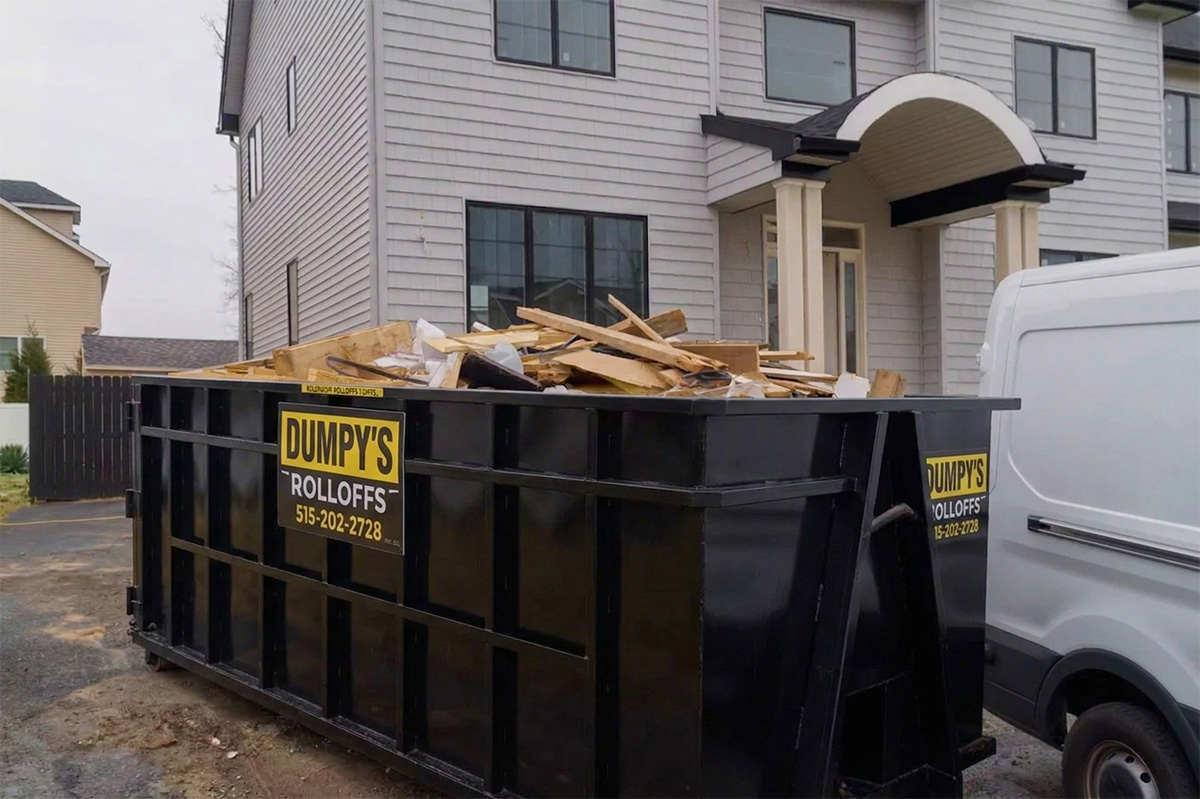
- Planning ahead for seasonal cleanouts, yard projects, or moves with roll-off containers or special pickups helps residential waste disposal stay orderly when debris volumes spike, instead of creating unsafe piles in garages, attics, or driveways.
- Reviewing local guidelines about what can and cannot go into standard collection bins supports residential waste disposal that aligns with municipal systems, reducing rejected loads and costly return trips.
With these steps, managing trash and recyclables becomes a predictable part of living in a community rather than a last-minute scramble on collection days.
Sorting, Recycling, And Volume Control As Pillars Of Greener Home Practices
Efficient disposal is not only about where trash goes, but also about what ends up in that stream in the first place. Thoughtful use of containers, recycling programs, and reuse options helps reduce what must be hauled to landfills or large disposal sites.
Steps that support lower impact from household discards
- Sorting materials into recyclables, organics, and residual trash shrinks the amount sent through regular residential waste disposal channels. Items such as cardboard, metal, certain plastics, and yard trimmings can often be redirected away from landfills through community programs.
- Donating usable furniture, clothing, and household goods extends the life of those items, lowering the volume that reaches landfills and helping others at the same time. This approach supports both resource conservation and community welfare.
- Choosing products with less packaging or with containers that can be reused or recycled cuts down on the number of bags tied off each week, easing pressure on Des Moines waste disposal systems and related facilities.
These practices reduce strain on municipal infrastructure and make home routines more aligned with environmental goals.
How Containers And Pickup Coordination Support Efficient Garbage And Waste Disposal
Timed collection and appropriate containers play a key role in efficient home disposal. When residents know when trucks are coming and how bins or roll-off dumpsters should be placed, the process runs more smoothly for both households and haulers.
Coordinating schedules, containers, and materials for smoother collection
- Matching container size to the volume of trash produced keeps lids closed and prevents overflow, which is especially important for garbage and waste disposal during holidays, renovation periods, or yard cleanup seasons.
- Positioning bins or roll-off containers where collection vehicles can reach them without blocking sidewalks or driveways reduces missed pickups and keeps streets safer for pedestrians and drivers.
- Communicating with service providers about large items, unusual debris, or temporary increases in waste allows routes to be planned correctly, which supports more efficient Des Moines waste disposal operations across neighborhoods.
Good coordination helps each pickup run smoothly and reduces the chance of waste remaining uncollected.
Supporting Greener Des Moines Waste Habits Through Dumpys Roll Off
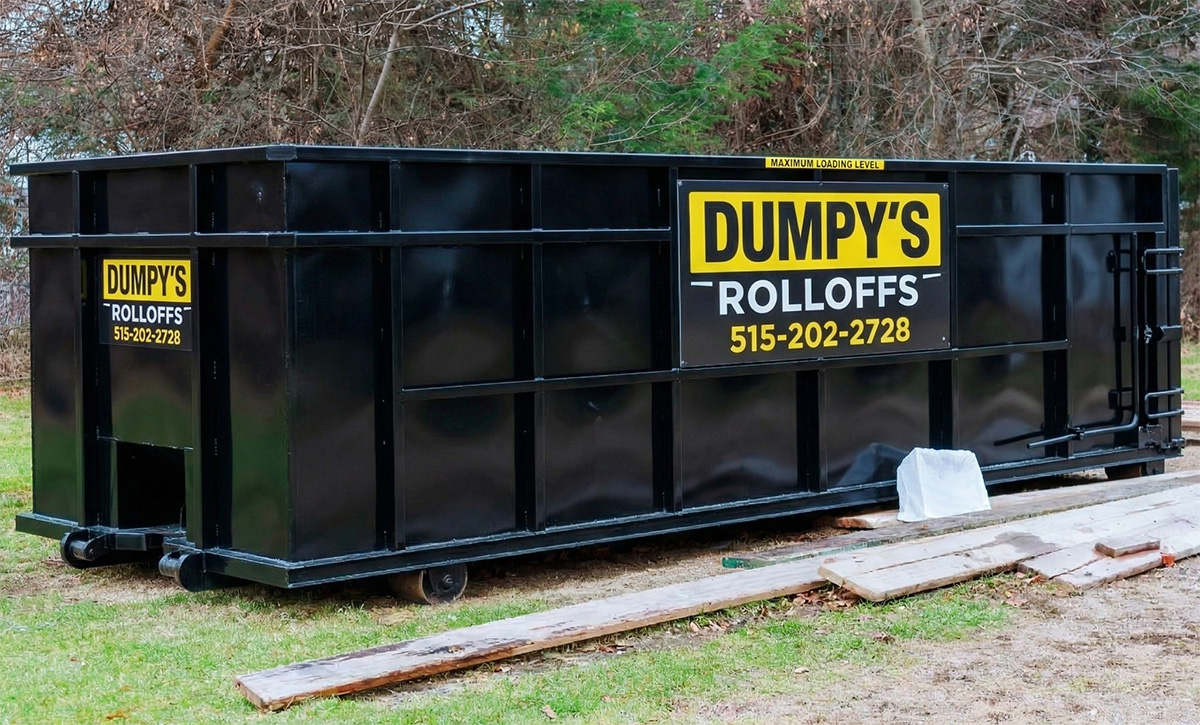
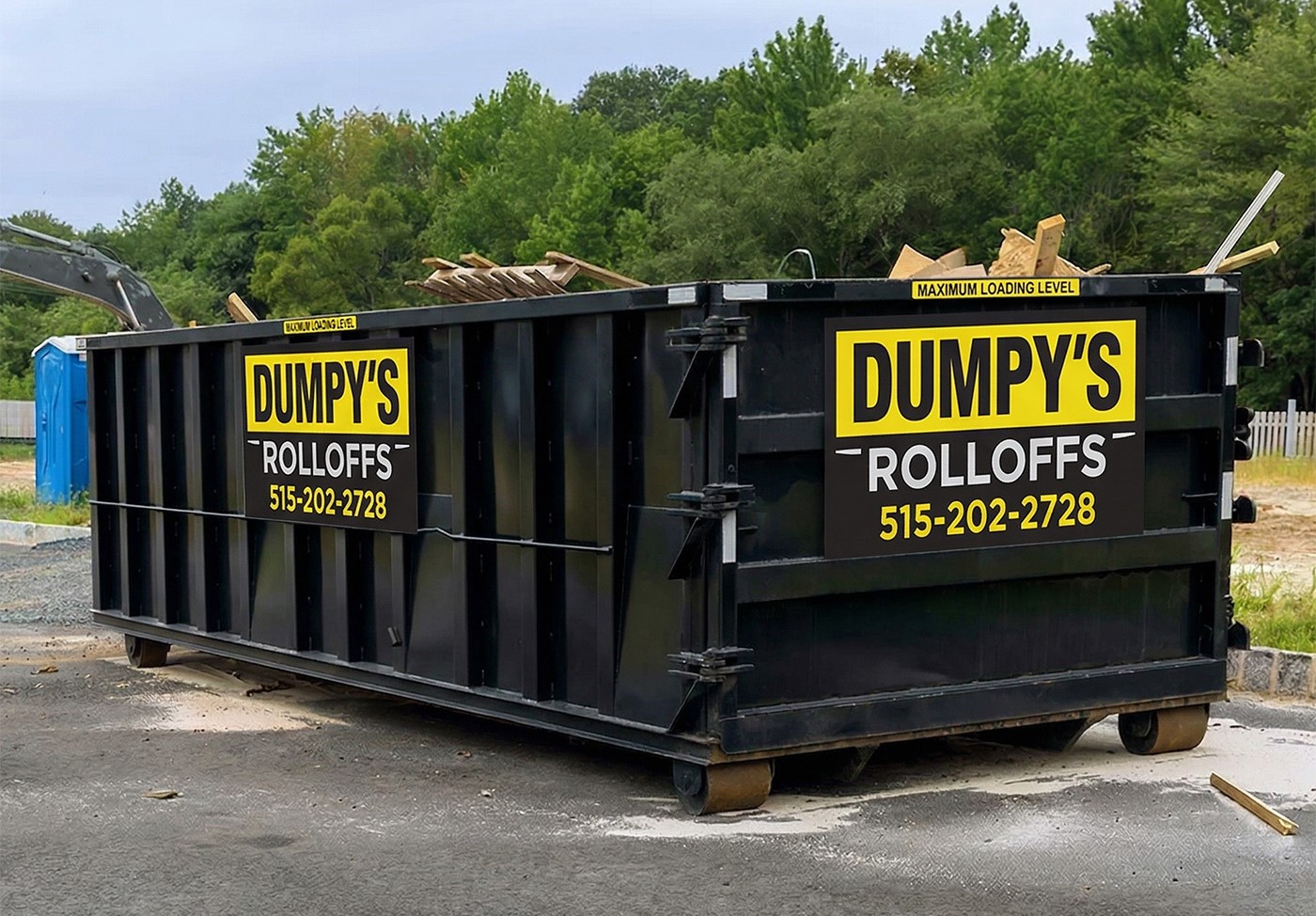
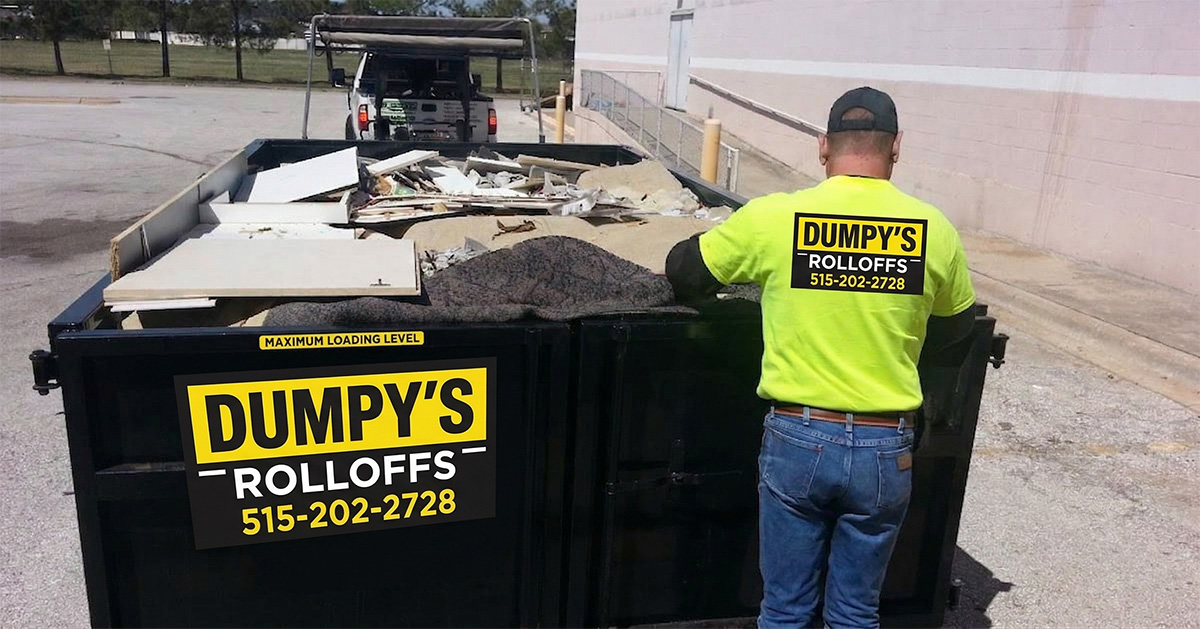
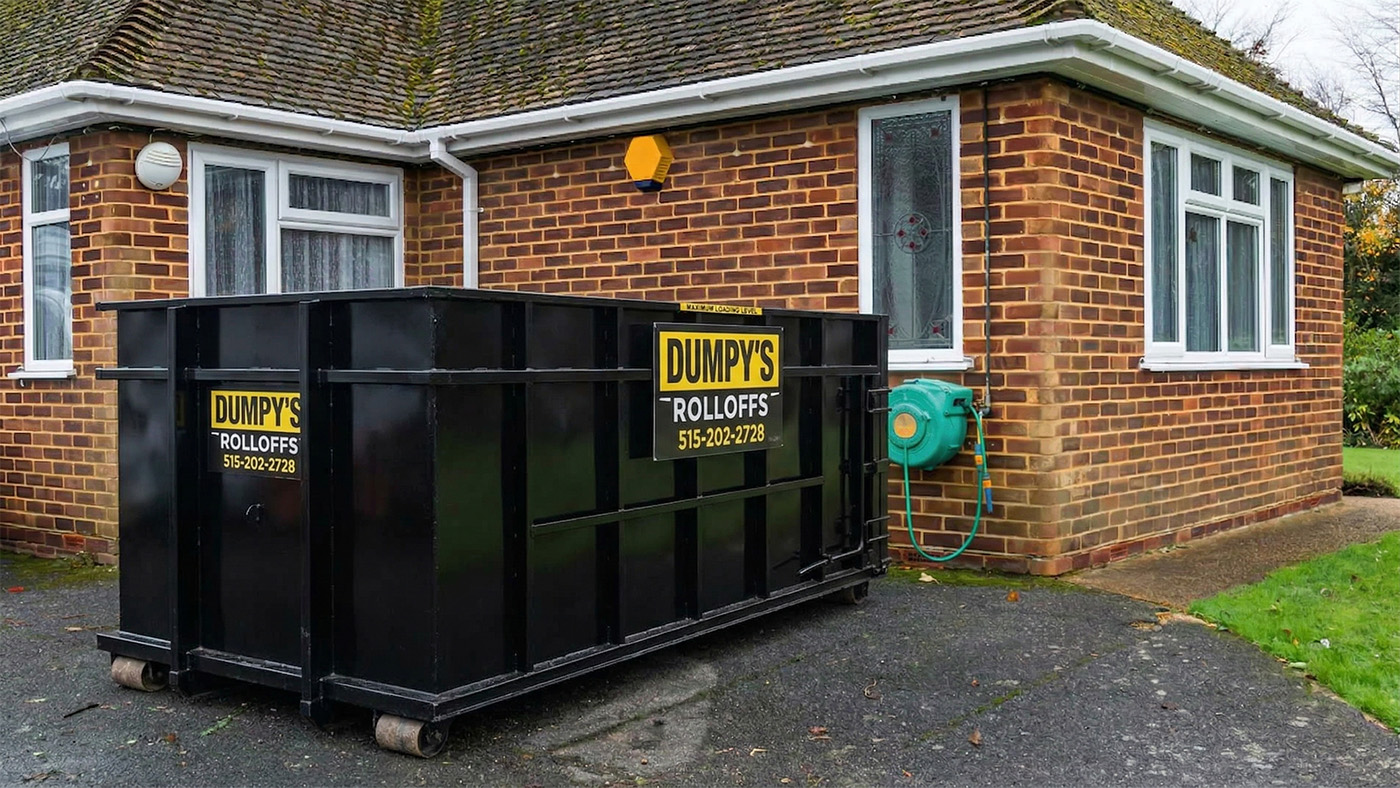
Dumpys Roll Off serves households and properties that want to manage residential waste disposal more responsibly through roll-off containers, junk hauling, and cleanup support across the Des Moines area. With service options for routine projects, seasonal cleanouts, and larger property efforts, the company helps residents match container sizes and schedules to current needs while paying attention to safe handling and appropriate disposal.
For homeowners looking to improve garbage and waste disposal habits and support cleaner surroundings, Dumpys Roll Off provides a straightforward way to plan dumpsters, pickups, and hauling that align with local guidelines. By pairing practical container options with thoughtful service, the company makes it easier for Des Moines residents to keep properties tidy, protect nearby land and water, and participate actively in long-term environmental care at the neighborhood level.
FAQ’s
1. Why does proper waste disposal matter for residential areas
Responsible disposal reduces litter, prevents contamination, and supports cleaner neighborhoods and public spaces.
2. How can households reduce landfill waste
Sorting recyclables, managing bulk items properly, and limiting mixed trash help reduce overall landfill volume.
3. What types of waste require special handling
Hazardous materials, electronics, chemicals, and certain bulky items require approved disposal methods.
4. How do containers improve waste management at home
Appropriate containers prevent overflow, limit pests, and help organize disposal routines more effectively.
5. What role does scheduling play in efficient waste disposal
Timely pickups prevent waste from sitting too long and help align household routines with collection services.