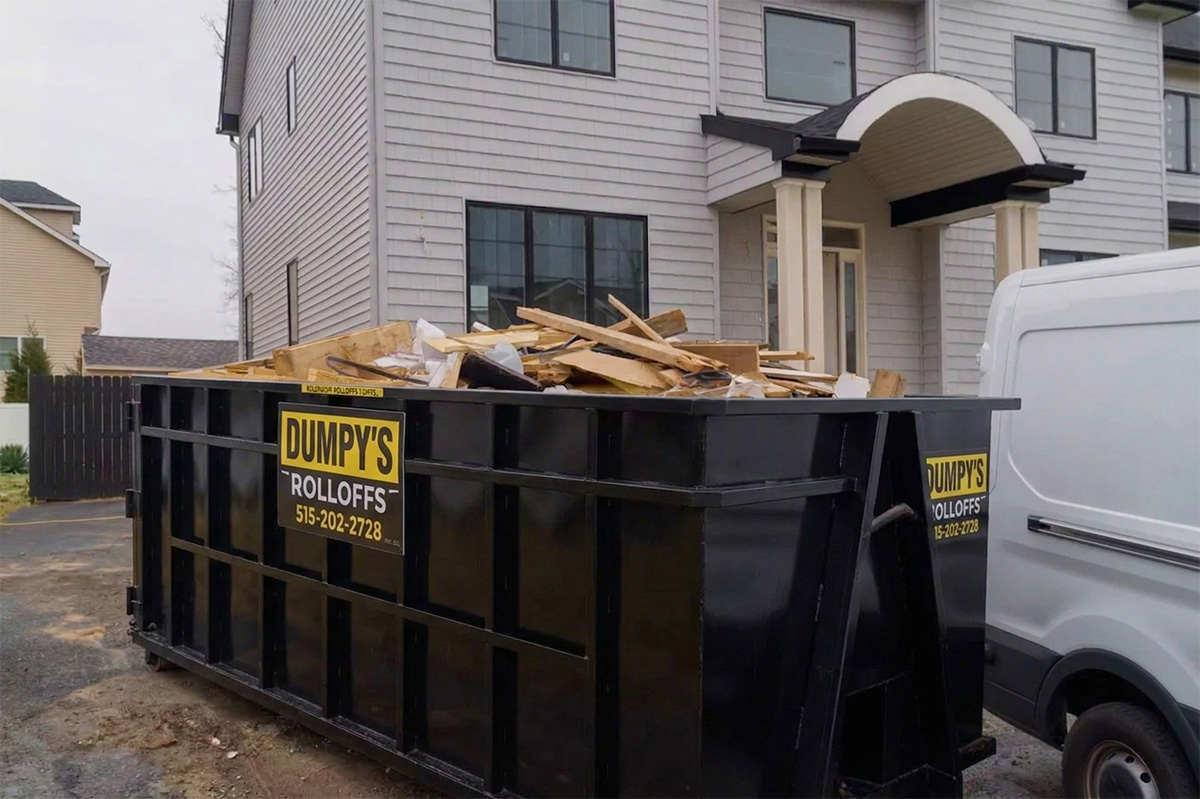
Have you considered how scheduling a construction dumpster rental in Ankeny before the first wall comes down can change the way debris moves across your project from day one? When containers are an afterthought, scrap wood, drywall, roofing, concrete, and packaging tend to pile up in corners, block walkways, and slow down both crews and inspections. A clear plan for where waste will go and when it will be hauled away sets the tone for a safer and more organized site from the very start.
Early planning also helps match container size and placement to the actual layout of the property. Driveway access, street width, overhead lines, and nearby structures all influence where a dumpster should sit. Thinking through these details ahead of time avoids last-minute shuffling of vehicles, materials, and equipment just to make space for a bin that arrives in the middle of the work phase.
How Ankeny Dumpster Rentals Support Cleaner, More Efficient Construction Workflow
When debris has a designated home, crews spend less time stepping around piles and more time focusing on the work itself. Ankeny dumpster rentals give contractors and property owners a way to keep trash moving out steadily instead of letting it spread across the site.
Practical benefits of a dedicated container on new builds and renovations
- With Ankeny dumpster rentals in place, workers can dispose of scrap materials immediately instead of stacking them along walls or near entrances, which keeps exits, stairs, and pathways clearer for daily movement and emergency access.
- Containers sized to match the scope of the job allow debris from framing, roofing, siding, or interior demolition to be consolidated in one spot, reducing the need for repeated small trips with pickup trucks or trailers throughout the project.
- When Ankeny dumpster rentals are scheduled for timely swap-outs, filled containers leave quickly, and empty ones arrive before work outpaces capacity, which helps control clutter and supports consistent progress from one phase to the next.
By treating the container as part of the site plan rather than an afterthought, crews can keep work zones more controlled and predictable.
Key Planning Steps For Construction Dumpster Rental On Active Projects
A smooth construction dumpster rental process starts with an accurate picture of the work to be done. The type of project, expected debris, and project duration all guide decisions about container size and scheduling.
Questions to review before placing a dumpster order
- What categories of material will be generated, such as drywall, lumber, roofing, concrete, or mixed household debris from interior cleanouts, and are there any items that need special handling or separate disposal paths?
- Where can a container be placed so that trucks can access it easily while still leaving room for deliveries, equipment, and worker parking, keeping traffic patterns as simple as possible during the project?
- How long will each phase last, and how quickly is debris likely to accumulate, so that construction dumpster rental timing and swap-out planning match actual site activity rather than relying on guesswork?
Reviewing these points before work begins helps prevent overflow, missed pickups, and unnecessary delays once crews are on-site and the demolition or construction is in full swing.
Safety And Organization Gains From Thoughtful Container Placement And Use
Well-placed dumpsters do more than collect debris. They contribute directly to safety and overall site organization. When construction dumpster rental decisions consider foot traffic and equipment routes, everyone moves with more confidence and fewer interruptions.
How good placement and use habits support a safer site
- Positioning containers away from doors and main equipment paths reduces the risk of collisions and helps maintain clear access points for workers, inspectors, and deliveries.
- Loading heavier items toward the bottom and distributing weight evenly inside the container keeps debris more stable, which is especially important when concrete, roofing material, or large fixtures are part of the load.
- Keeping the area around the dumpster free from loose trash and tools helps prevent slips and trips, reinforcing the idea that the container and its immediate surroundings form one organized staging zone rather than another place for piles to form.
Combined with regular housekeeping on the ground, smart construction dumpster rental choices make it easier to maintain a site that looks orderly and feels safer throughout the build.
Debris Types, Volume Control, And Habits That Simplify Ongoing Cleanup
Projects rarely produce one type of material, and debris volume can rise and fall as different stages unfold. Aligning container use with these rhythms keeps cleanup from becoming a constant source of stress.
Practical habits for managing changing debris loads on site
- During heavy demolition periods, consider loading large pieces first and then filling gaps with smaller scraps, so that space is used efficiently and fewer containers are needed across the project timeline.
- For jobs that include both construction waste and general household junk, such as remodels in occupied properties, separating materials where possible can make future sorting and disposal easier and may reduce the risk of prohibited items entering the container.
- Communicating regularly with the rental provider about project changes, weather delays, or schedule shifts ensures that Ankeny dumpster rentals and haul-away times stay aligned with actual on-site activity rather than a fixed plan that no longer matches reality.
These habits support steady debris control so that the site stays workable from start to finish, even when the project evolves.
Choosing Dumpys Roll Off As Your Partner In Debris Management For Ankeny Projects
Dumpys Roll Off offers container options and scheduling support that fit a wide range of construction and renovation needs in and around Ankeny. From smaller bins suitable for residential remodels to larger units that match the demands of multi-phase builds, the company helps match container size and placement to real site conditions, making construction dumpster rental more straightforward and predictable.
Contractors, property owners, and project managers who want dependable Ankeny dumpster rentals for their next build can connect with Dumpys Roll Off to discuss project scope, access points, and expected debris. With thoughtful planning, clear communication, and timely pickups, Dumpys Roll Off helps keep demolition and construction debris under control so that every phase of the work can move ahead on a site that stays cleaner, safer, and easier to manage.
FAQ’s
1. Why is debris management important on construction sites
Proper debris control supports safety, keeps work areas accessible, and reduces delays caused by clutter.
2. How is dumpster size determined for construction projects
Size selection is based on project scope, material type, and expected debris volume.
3. What materials typically go into construction dumpsters
Common materials include wood, drywall, roofing materials, concrete fragments, and packaging waste.
4. How does proper container placement help workflow
Correct placement reduces hauling distance, prevents blocked access points, and improves daily productivity.
5. What planning steps prevent dumpster overflow
Monitoring fill levels, scheduling timely pickups, and adjusting container size help manage debris efficiently.